



Executive Summary
Supply chain disruptions are no longer rare events—they have become part of everyday business. From geopolitical conflicts and cyberattacks to supplier bankruptcies, climate events, and volatile demand, organizations face risks that traditional planning methods often fail to anticipate. Machine Learning (ML) is changing this paradigm by enabling businesses to identify hidden patterns, predict disruptions before they occur, and recommend proactive mitigation strategies. Rather than responding to crises, organizations are now building intelligent supply chains capable of learning, adapting, and becoming more resilient over time.
Introduction
Every supply chain carries risk. What has changed over the past few years is the frequency, scale, and complexity of those risks.
A delayed shipment in one country can halt production thousands of miles away. Extreme weather can disrupt logistics networks overnight, while supplier financial instability or regulatory changes can create ripple effects across multiple industries.
Traditional risk management often relies on historical reports, manual assessments, and periodic supplier reviews. Although useful, these approaches rarely provide sufficient warning before disruptions occur.
Machine Learning introduces a smarter approach. By continuously analyzing millions of operational and external data points, ML enables organizations to identify risks earlier, understand their potential impact, and respond before minor issues become major business disruptions.

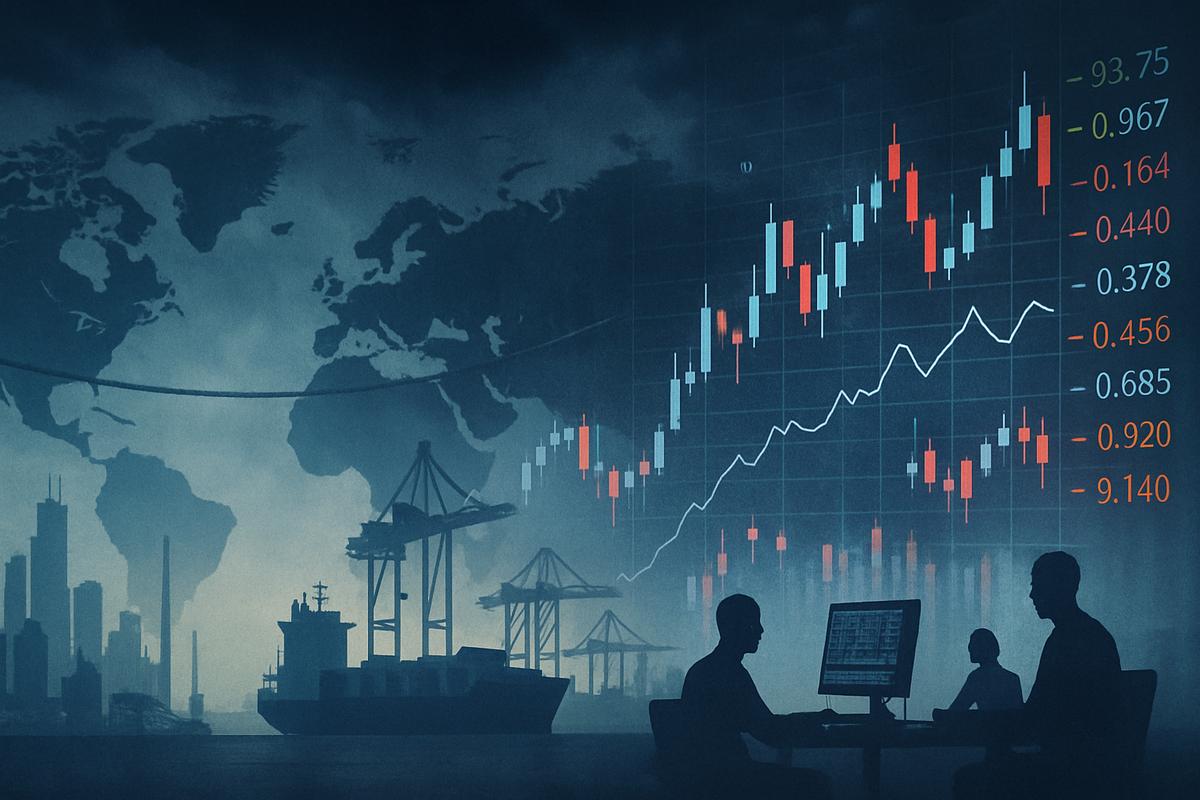
Figure 1: Machine Learning enables organizations to identify potential supply chain risks early by continuously analyzing operational and external data signals.
Why Traditional Risk Management Falls Short
Conventional risk management typically focuses on historical performance and predefined risk registers. Supplier audits may be conducted annually, transportation risks reviewed periodically, and contingency plans activated only after problems emerge.
However, today’s supply chains generate vast amounts of real-time information that cannot be effectively analyzed using manual processes alone.
Machine Learning bridges this gap by processing structured and unstructured data simultaneously, identifying subtle risk indicators that human analysts may overlook.
Instead of asking “What went wrong?”, organizations begin asking “What is likely to go wrong next?”
How Machine Learning Identifies Risk
Machine Learning algorithms continuously improve as they process larger volumes of data.
They analyze information from sources such as:
- Supplier performance records
- Procurement transactions
- Weather forecasts
- Shipping movements
- Financial markets
- Port congestion
- News reports
- Social media trends
- Geopolitical developments
- Internal ERP and Warehouse Management Systems
By combining these datasets, ML models recognize patterns that indicate emerging risks long before they become operational issues.
For example, declining supplier delivery performance combined with deteriorating financial indicators may signal an elevated probability of supplier failure weeks in advance.
Where Machine Learning Creates the Greatest Impact
Supplier Risk Assessment
Machine Learning continuously evaluates supplier reliability using delivery history, quality performance, financial health, and external market conditions, enabling procurement teams to identify vulnerabilities early.
Demand Risk Forecasting
AI models analyze purchasing behaviour, seasonal trends, promotions, weather conditions, and economic indicators to anticipate unexpected demand fluctuations.
Transportation Risk Monitoring
Machine Learning evaluates weather events, port congestion, traffic conditions, and geopolitical developments to recommend alternate transportation routes before delays occur.
Inventory Risk Management
Advanced algorithms optimize safety stock levels by balancing service requirements with supply uncertainty, reducing both shortages and excess inventory.
Fraud and Anomaly Detection
ML rapidly identifies unusual procurement transactions, inventory discrepancies, or suspicious supplier activities that may indicate fraud or operational errors.
Business Value Beyond Prediction
Machine Learning delivers benefits that extend well beyond forecasting disruptions.
Organizations adopting AI-driven risk management typically achieve:
- Faster identification of emerging risks.
- Improved supplier resilience.
- Reduced operational disruptions.
- Better inventory optimization.
- More informed procurement decisions.
- Enhanced customer service through uninterrupted supply.
- Stronger executive decision-making supported by predictive insights.
Most importantly, businesses gain confidence in making decisions based on continuously updated intelligence rather than static historical reports.
The Human Element Still Matters
While Machine Learning significantly enhances risk visibility, it does not replace experienced supply chain professionals.
Algorithms identify probabilities and recommend actions, but human expertise remains essential for interpreting business context, evaluating strategic trade-offs, and making final decisions.
The strongest organizations combine intelligent automation with experienced leadership, creating a collaborative decision-making environment where technology augments human judgment rather than replacing it.
Looking Ahead
As Artificial Intelligence, Digital Twins, Generative AI, and IoT technologies continue to mature, supply chain risk management will become increasingly predictive and autonomous.
Future supply chains will continuously monitor thousands of internal and external risk indicators, simulate multiple disruption scenarios, and recommend optimal mitigation strategies in real time.
Organizations will shift from crisis management to continuous resilience management, enabling faster recovery and greater operational stability.
Key Takeaways
| Traditional Risk Management | Machine Learning-Driven Risk Management |
|---|---|
| Periodic supplier reviews | Continuous supplier monitoring |
| Historical reporting | Predictive risk intelligence |
| Manual analysis | Automated pattern recognition |
| Reactive disruption response | Early risk detection |
| Static contingency planning | Dynamic scenario modelling |
| Human-driven monitoring | AI-assisted decision support |
Conclusion
Supply chain resilience is no longer built solely on contingency plans—it is built on intelligence. Machine Learning is enabling organizations to identify risks earlier, respond faster, and make more informed decisions in an increasingly uncertain global environment.
By integrating predictive analytics, real-time data, and intelligent automation into risk management strategies, businesses can reduce disruptions, strengthen supplier networks, and improve operational continuity.
The future of supply chain management will not depend on eliminating every risk—that is impossible. Instead, success will belong to organizations capable of anticipating uncertainty, adapting rapidly, and making smarter decisions before disruption becomes crisis.