



Introduction
The logistics industry is responsible for a significant share of global greenhouse gas emissions. From transportation and warehousing to packaging and inventory management, every stage of the supply chain contributes to an organization’s environmental footprint.
For years, logistics strategies primarily focused on reducing costs and improving delivery speed. Today, sustainability has become an equally important objective. Investors, regulators, customers, and business partners expect organizations to demonstrate measurable progress toward Environmental, Social, and Governance (ESG) goals.
Green logistics is no longer about simply reducing fuel consumption—it is about redesigning supply chains using technology to create operations that are efficient, resilient, and environmentally responsible.

Figure 1: Green logistics combines sustainable transportation, smart warehousing, and clean energy to reduce the environmental impact of supply chains.
Understanding Green Logistics
Green logistics refers to the planning, implementation, and optimization of logistics activities with the objective of minimizing environmental impact while maintaining operational performance.
It focuses on reducing carbon emissions across transportation, warehousing, packaging, inventory management, and distribution. Rather than treating sustainability as a separate initiative, organizations are embedding environmental considerations into every supply chain decision.
The objective is simple: deliver products more efficiently while consuming fewer resources and generating lower emissions.
Technologies Accelerating Sustainable Supply Chains
Technology has become the primary enabler of green logistics.
Artificial Intelligence (AI): AI optimizes transportation routes, predicts demand, improves vehicle utilization, and minimizes empty return trips, reducing both fuel consumption and emissions.
Internet of Things (IoT): Smart sensors monitor fleet performance, fuel usage, temperature-controlled shipments, and warehouse energy consumption, enabling real-time efficiency improvements.
Electric and Alternative Fuel Vehicles: Electric trucks, hydrogen-powered vehicles, and alternative fuel technologies are gradually replacing conventional diesel fleets, significantly lowering transportation-related emissions.
Smart Warehouses: Automated lighting systems, solar-powered facilities, robotics, and intelligent energy management systems reduce electricity consumption while improving operational productivity.
Digital Twins: Virtual models of supply chain operations allow organizations to simulate different logistics scenarios, optimize transportation networks, and identify opportunities to reduce emissions before implementing physical changes.
Together, these technologies enable organizations to improve sustainability while maintaining service quality.
Beyond Environmental Benefits
The advantages of green logistics extend well beyond reducing carbon emissions.
Organizations implementing sustainable logistics practices often experience:
- Lower transportation and fuel costs.
- Improved fleet utilization.
- Reduced warehouse operating expenses.
- Better compliance with environmental regulations.
- Enhanced corporate reputation and customer trust.
- Stronger ESG performance for investors and stakeholders.
Sustainability and profitability are no longer competing objectives. In many cases, operational efficiency improvements directly contribute to both environmental and financial performance.
Challenges in the Transition
Despite growing momentum, achieving carbon-neutral supply chains presents several challenges.
Organizations must address:
- High initial investment in green technologies.
- Limited charging and alternative fuel infrastructure.
- Integration of sustainability metrics into existing supply chain systems.
- Supplier readiness across global networks.
- Measuring and reporting Scope 3 emissions accurately.
Long-term success depends on collaboration between manufacturers, logistics providers, technology partners, governments, and suppliers.
The Future of Green Logistics
The next generation of supply chains will combine sustainability with intelligence. Artificial Intelligence, autonomous electric vehicles, renewable energy-powered warehouses, blockchain-enabled carbon tracking, and circular economy practices will redefine how goods move across the globe.
Organizations will increasingly measure logistics performance using not only cost and delivery speed but also carbon intensity, energy efficiency, and environmental impact. Sustainability will become a core performance indicator alongside operational excellence.
Businesses that invest in green logistics today will be better positioned to meet regulatory expectations, strengthen customer relationships, and remain competitive in an increasingly environmentally conscious marketplace.
Key Takeaways
| Traditional Logistics | Green Logistics |
|---|---|
| Diesel-dependent transportation | Electric and alternative fuel fleets |
| Manual route planning | AI-optimized transportation |
| High warehouse energy consumption | Smart, energy-efficient warehouses |
| Limited sustainability tracking | Real-time carbon monitoring |
| Cost-focused operations | Cost and sustainability optimization |
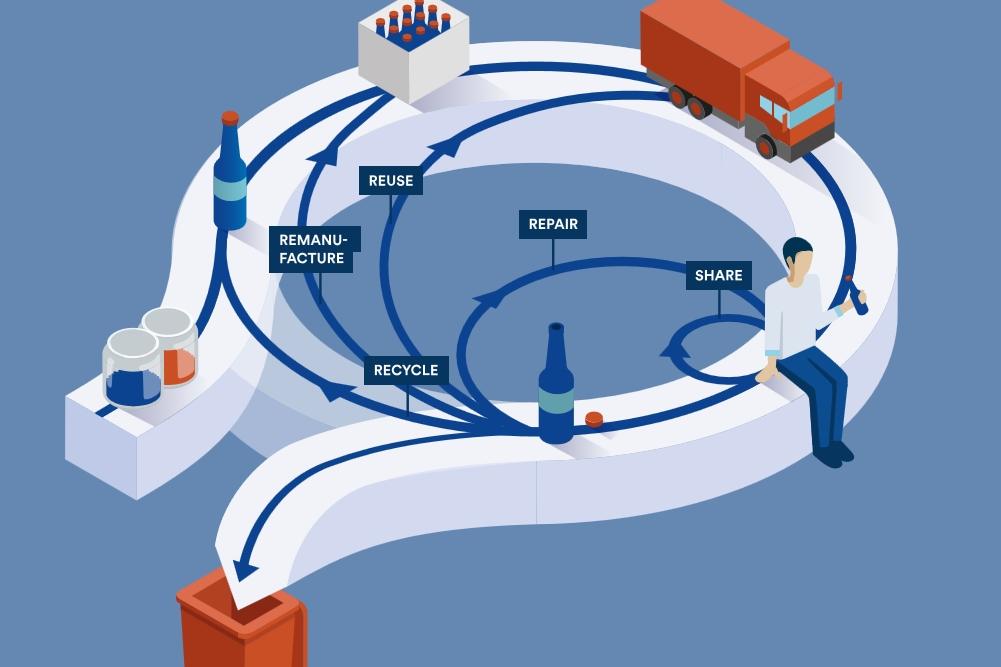
| Linear supply chains | Circular and environmentally responsible supply chains |
Conclusion
Green logistics represents the future of Supply Chain Management. As businesses strive to balance operational efficiency with environmental responsibility, technology is emerging as the key enabler of sustainable transformation.
Artificial Intelligence, IoT, digital twins, renewable energy, and smart infrastructure are helping organizations reduce emissions while improving productivity and resilience. The transition toward carbon-neutral supply chains is no longer simply a regulatory requirement—it is a strategic opportunity to build more efficient, future-ready businesses.
Organizations that embrace green logistics today will not only contribute to a healthier planet but also create stronger, more agile, and more competitive supply chains for the decades ahead.