




Executive Summary
“Price is what you pay. Value is what you secure.” — In today’s business environment, this statement has never been more relevant.
Strategic sourcing is undergoing its most significant transformation in decades. Rising geopolitical tensions, inflationary pressures, supply disruptions, climate risks, evolving regulations, and rapid technological advancements have fundamentally changed procurement priorities. Cost reduction, once the primary objective of sourcing, is now only one piece of a much larger puzzle.
In 2025, procurement leaders are expected to be architects of resilience, innovation, sustainability, and business continuity. Organizations that successfully adapt to this shift will be better positioned to navigate uncertainty while creating long-term competitive advantage. Industry analysts increasingly view procurement as a strategic function that balances cost with resilience, supplier collaboration, AI adoption, and sustainability.
Introduction
Not long ago, sourcing decisions were driven by a familiar set of questions:
- Who offers the lowest price?
- How quickly can they deliver?
- Can they meet quality expectations?
While these questions remain important, they are no longer sufficient.
Today’s procurement leaders operate in an environment where supplier risks emerge overnight, trade policies shift unexpectedly, freight costs fluctuate rapidly, and customer expectations continue to evolve. The role of procurement has expanded far beyond negotiating contracts—it has become central to protecting business continuity and enabling growth.
As Peter Drucker famously said,
“The greatest danger in times of turbulence is not the turbulence itself—it is acting with yesterday’s logic.”
That insight perfectly captures the reality of strategic sourcing today.

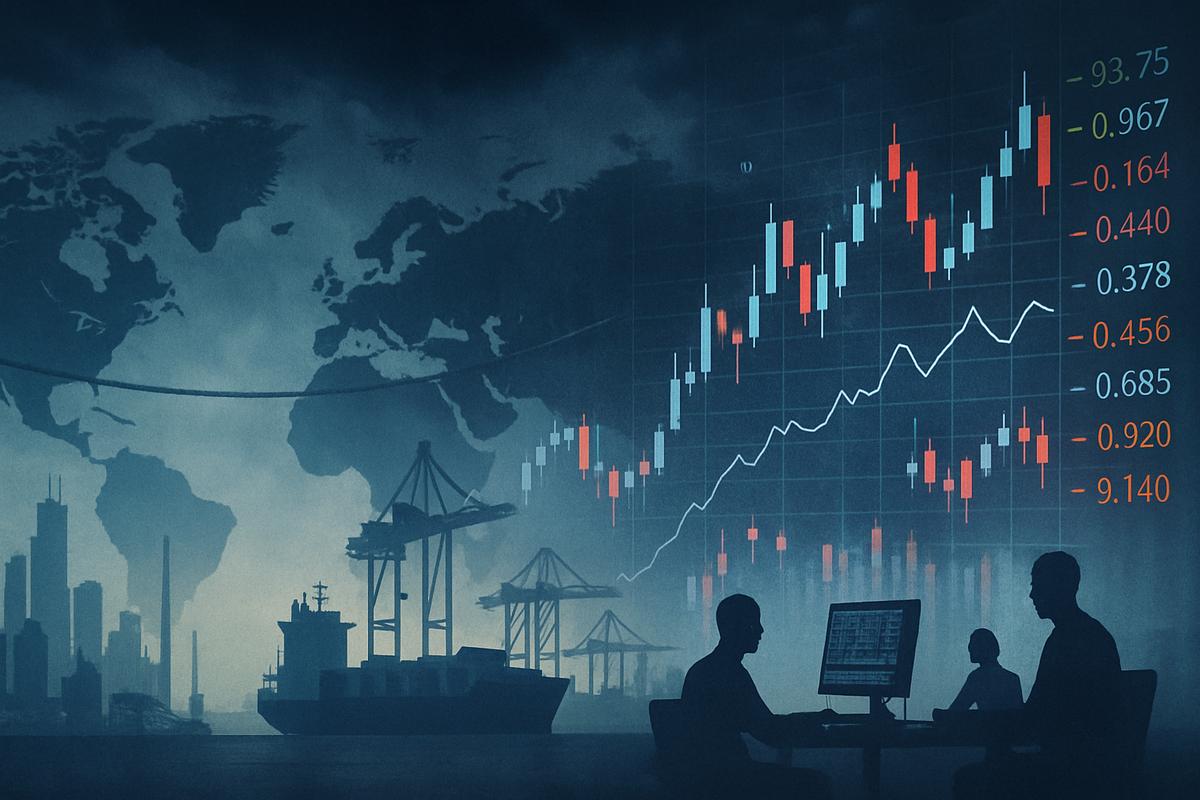
Figure 1: Strategic sourcing has evolved from a cost-focused function into a business capability that balances resilience, sustainability, technology, and long-term supplier partnerships.
Trend 1: Resilience Is Replacing Lowest-Cost Sourcing
Recent global events have demonstrated the risks of relying heavily on single suppliers or single manufacturing regions.
Organizations are increasingly adopting multi-sourcing strategies, qualifying alternate suppliers, regionalizing procurement, and maintaining contingency plans to ensure continuity during disruptions. Rather than optimizing solely for the lowest purchase price, businesses are evaluating suppliers based on reliability, agility, and long-term stability. Protectionism and geopolitical uncertainty are accelerating this shift.
Trend 2: Artificial Intelligence Is Becoming a Procurement Partner
Artificial Intelligence is transforming every stage of the sourcing lifecycle.
Modern procurement teams use AI to:
- Identify qualified suppliers.
- Forecast commodity price movements.
- Detect supplier risks.
- Automate RFQs and contract analysis.
- Improve spend visibility.
- Recommend sourcing strategies.
However, organizations are also recognizing that successful AI adoption depends on clean, connected procurement data rather than technology alone. Many procurement functions are still strengthening their data foundations before AI can deliver its full potential.
Trend 3: Supplier Relationships Are Becoming Strategic Partnerships
Procurement is shifting away from purely transactional supplier relationships.
Forward-looking organizations increasingly involve suppliers in product innovation, sustainability initiatives, quality improvement, and long-term capacity planning.
Rather than negotiating every contract independently, companies are building collaborative ecosystems that strengthen resilience while creating mutual value.
As Warren Buffett once observed,
“Someone is sitting in the shade today because someone planted a tree a long time ago.”
The strongest supplier partnerships are built with exactly this long-term perspective.
Trend 4: Sustainability Is Now a Core Sourcing Metric
Environmental and social responsibility have become integral components of supplier selection.
Procurement teams now evaluate suppliers based on:
- Carbon footprint
- Ethical labour practices
- ESG compliance
- Responsible sourcing
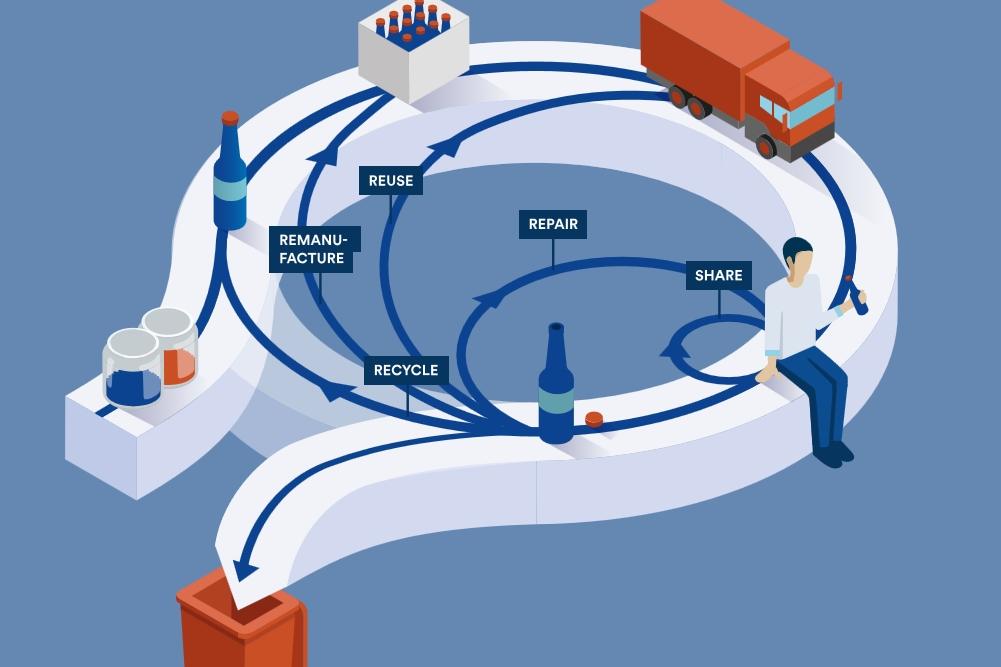
- Circular economy initiatives
- Regulatory compliance
Customers, investors, and regulators increasingly expect organizations to demonstrate transparency throughout their supply chains, making sustainability a competitive differentiator rather than simply a compliance requirement.
Trend 5: Data Is Becoming the Most Valuable Procurement Asset
Strategic sourcing decisions are increasingly driven by real-time intelligence rather than historical reports.
Organizations are integrating supplier performance, market trends, logistics data, financial indicators, and external risk signals into centralized analytics platforms.
This enables procurement leaders to monitor supplier health continuously, identify emerging risks early, and make faster, evidence-based sourcing decisions.
In today’s procurement landscape, organizations with superior visibility often outperform those with simply lower costs.
The Procurement Leader of Tomorrow
The modern procurement professional is evolving into a strategic business leader.
Beyond negotiation skills, today’s sourcing leaders require expertise in:
- Data analytics
- Risk management
- Artificial Intelligence
- ESG reporting
- Contract strategy
- Supplier collaboration
- Digital transformation
- Scenario planning
Procurement is no longer viewed as a support function—it has become a strategic contributor to enterprise resilience and long-term value creation.
Key Takeaways
| Traditional Strategic Sourcing | Strategic Sourcing in 2025 |
|---|---|
| Lowest-cost supplier | Best-value supplier |
| Transactional relationships | Strategic partnerships |
| Periodic supplier reviews | Continuous supplier monitoring |
| Manual sourcing decisions | AI-assisted decision-making |
| Cost-focused procurement | Risk, resilience & sustainability |
| Historical reporting | Real-time market intelligence |
Conclusion
Strategic sourcing is entering a new era—one where agility, intelligence, and collaboration are just as important as cost optimization.
The organizations that thrive in 2025 will not necessarily be those that negotiate the lowest prices. Instead, they will be the ones that build resilient supplier ecosystems, embrace digital technologies, prioritize sustainability, and make sourcing decisions informed by real-time data rather than historical assumptions.
In an increasingly unpredictable world, procurement is no longer simply about buying goods and services. It is about safeguarding business continuity, driving innovation, and creating sustainable competitive advantage.
As management thinker Tom Peters aptly said:
“If you’re not confused, you’re not paying attention.”
For procurement leaders, navigating that complexity with clarity, adaptability, and strategic foresight will define success in the years ahead.