




Introduction
For decades, globalization enabled businesses to build highly efficient supply chains by sourcing materials from the lowest-cost regions and shipping products seamlessly across international borders. Stability in trade agreements and predictable transportation routes allowed organizations to optimize for speed and cost.
That landscape has changed dramatically. The Russia–Ukraine conflict, Red Sea shipping disruptions, U.S.–China trade tensions, increasing economic nationalism, and sanctions have highlighted the vulnerability of globally interconnected supply chains. Today, geopolitical events are no longer isolated political issues—they directly influence freight costs, delivery timelines, inventory strategies, and business profitability.
As a result, organizations are redesigning their global supply chains with resilience becoming as important as efficiency.


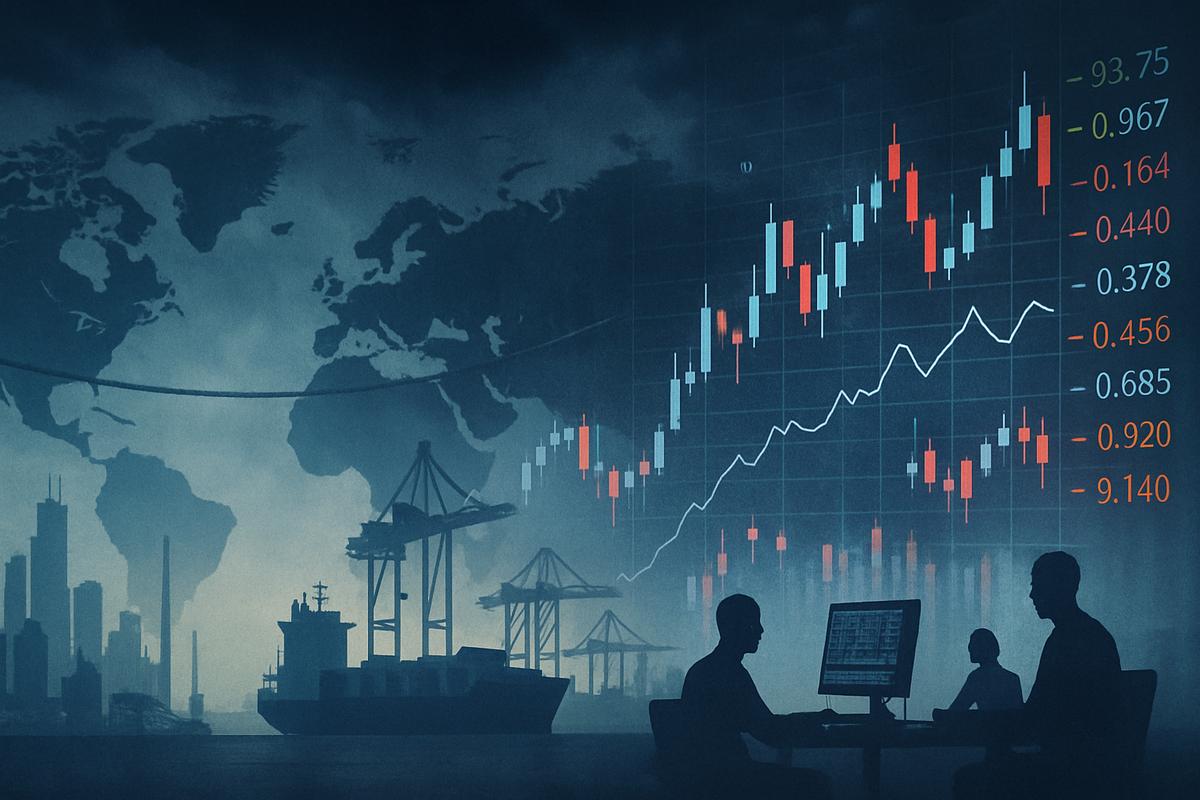
Figure 1: Geopolitical events are reshaping traditional global trade corridors, forcing businesses to rethink sourcing and logistics strategies.
The New Reality of Global Trade
Modern supply chains operate across multiple countries, each with its own regulatory environment, political priorities, and economic interests. While globalization created unprecedented efficiency, it also increased dependency on a limited number of manufacturing hubs and transportation corridors.
Recent geopolitical developments have exposed these vulnerabilities. Businesses are experiencing longer transit times, higher freight costs, customs delays, export restrictions, and increased compliance requirements.
Consequently, supply chain leaders are no longer asking “Where can we source at the lowest cost?” Instead, they are asking “Where can we source with the least operational risk?”
Key Geopolitical Drivers Reshaping Supply Chains
Several geopolitical factors are redefining global trade patterns.
Trade Wars and Tariffs: Increased tariffs between major economies have encouraged businesses to diversify manufacturing locations and reduce dependence on single-country sourcing.
Regional Conflicts: Armed conflicts disrupt critical shipping lanes, increase insurance costs, and force vessels to take longer alternative routes.
Economic Sanctions: Restrictions on trade with specific countries affect the availability of raw materials, energy supplies, and industrial components.
Strategic Competition: Nations are increasingly protecting critical industries such as semiconductors, pharmaceuticals, rare earth minerals, and food security through industrial policies and export controls.
Together, these developments are encouraging companies to build more geographically balanced supply chains.
How Businesses Are Responding
Organizations are adopting new strategies to strengthen supply chain resilience.
Supplier Diversification: Companies are qualifying multiple suppliers across different regions to reduce dependency on any single country.
Nearshoring and Friendshoring: Manufacturing is gradually moving closer to end markets or to countries with stable political and economic relationships.
Regional Distribution Networks: Businesses are increasing warehouse capacity in strategic markets to improve responsiveness and reduce disruption risks.
Digital Visibility: Advanced analytics, AI, and supply chain control towers provide real-time visibility into supplier performance, transportation risks, and inventory levels.
These strategies enable organizations to react faster while minimizing operational disruptions.
The Financial Impact
Geopolitical uncertainty has significantly increased supply chain costs.
Organizations are facing:
- Higher freight and insurance costs.
- Increased inventory carrying costs.
- Greater investment in supplier qualification and audits.
- Rising compliance and regulatory expenses.
- Additional working capital requirements due to longer transit times.
Although these measures increase short-term costs, they reduce the financial impact of major supply chain disruptions over the long term.
Turning Risk into Competitive Advantage
Leading organizations are treating geopolitical risk management as a strategic capability rather than a contingency plan.
Companies investing in predictive analytics, scenario planning, digital supply chain visibility, and diversified sourcing are better positioned to respond quickly to changing market conditions. Instead of waiting for disruptions to occur, they continuously monitor geopolitical developments and adjust sourcing, inventory, and logistics strategies accordingly.
This proactive approach enables businesses to protect customer service while maintaining operational continuity during periods of uncertainty.
Key Takeaways
| Traditional Global Trade | Geopolitically Resilient Trade |
|---|---|
| Cost-driven sourcing | Risk-balanced sourcing |
| Single-country dependency | Multi-country supplier network |
| Lean inventory | Strategic inventory buffers |
| Fixed logistics routes | Flexible transportation corridors |
| Reactive disruption management | Continuous risk monitoring |
| Efficiency-focused | Resilience-focused |
Conclusion
Geopolitical tensions have permanently altered the dynamics of global trade. The era of optimizing supply chains solely for cost and efficiency is giving way to a more balanced approach that prioritizes resilience, agility, and risk management.
Organizations that diversify suppliers, strengthen regional networks, invest in digital visibility, and continuously monitor geopolitical developments will be better prepared to navigate future uncertainties. In an increasingly interconnected world, the winners will not necessarily be those with the lowest costs—they will be those capable of adapting quickly to an evolving global landscape while ensuring uninterrupted service to their customers.