




Executive Summary
In today’s fast-moving markets, customer demand can shift overnight. A viral social media trend, unexpected weather event, geopolitical disruption, or sudden change in consumer preferences can dramatically alter purchasing patterns. Organizations that rely solely on historical forecasts often struggle to keep pace, leading to stockouts, excess inventory, and declining customer satisfaction.
Real-time data is transforming supply chain management by enabling businesses to detect changes as they happen and respond with speed and precision. Rather than reacting after disruptions occur, companies are building agile supply chains that continuously adapt to market conditions.
When Yesterday’s Forecast Isn’t Enough
For years, demand planning revolved around historical sales data, seasonal trends, and quarterly forecasts. While these methods remain valuable, they were designed for relatively predictable markets.
Today’s supply chains operate in a completely different environment. Consumer behavior changes rapidly, promotional campaigns influence buying decisions instantly, and global events can disrupt supply overnight. Static forecasts simply cannot keep up with this pace.
This is why leading organizations are turning to real-time data—not just to improve forecasting accuracy, but to make supply chains continuously responsive.

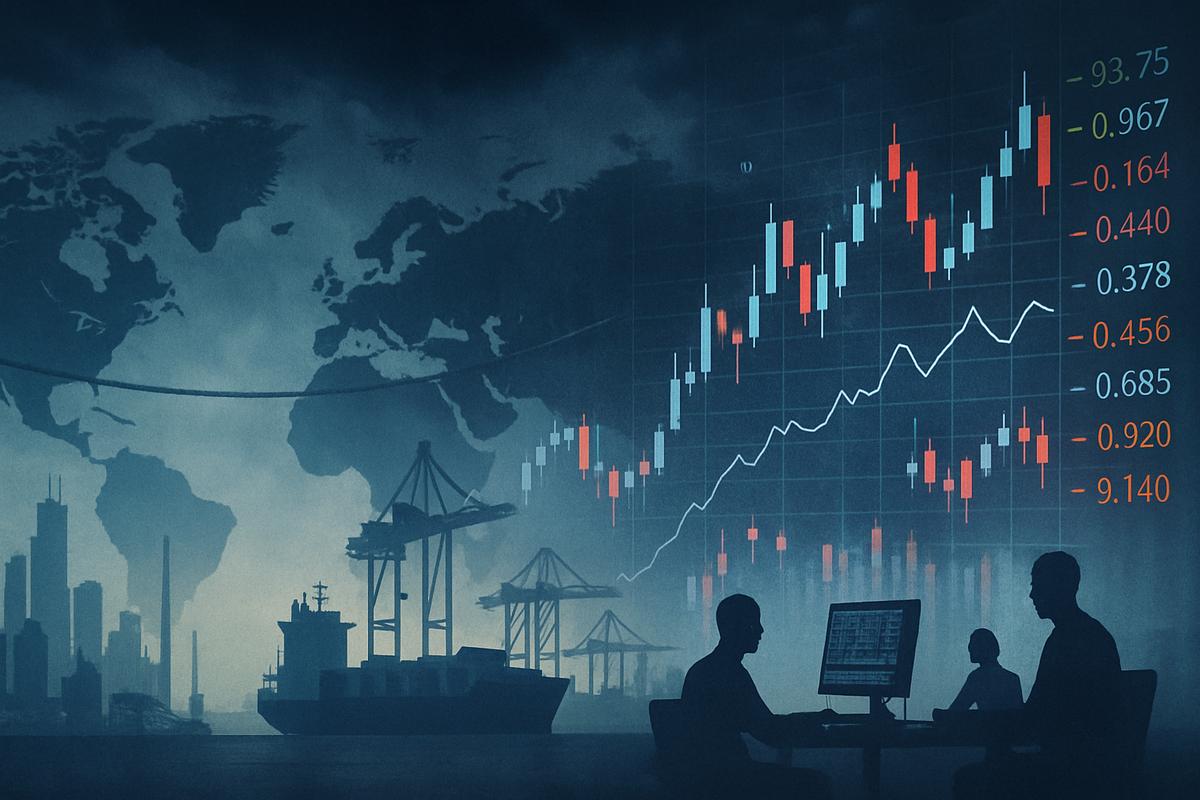
Figure 1: Real-time visibility enables organizations to monitor demand fluctuations, inventory positions, and operational performance simultaneously.
What Exactly Is Real-Time Data?
Real-time data refers to information that is collected, processed, and made available almost immediately after an event occurs.
In a modern supply chain, this information may come from:
- ERP and Warehouse Management Systems
- Point-of-Sale (POS) transactions
- E-commerce platforms
- GPS-enabled transportation fleets
- IoT-enabled warehouses
- Supplier portals
- Market demand signals
- Weather and traffic updates
- Social media and customer sentiment
Instead of waiting for weekly reports, decision-makers receive continuous operational intelligence that supports immediate action.
How Real-Time Data Changes Decision-Making
The greatest advantage of real-time visibility is speed.
Imagine demand for a product suddenly increases by 30% in a specific region.
A traditional planning process may identify the issue days later, by which time inventory shortages have already impacted customers.
With real-time analytics, the system immediately detects the surge, alerts planners, recommends inventory redistribution, adjusts replenishment plans, and informs logistics teams to prioritize shipments.
The result is faster response, lower disruption, and improved customer service.
Where It Delivers the Biggest Impact
Organizations are using real-time data across nearly every supply chain function.
Demand Planning
Demand forecasts are continuously updated using live sales, customer orders, and external market signals rather than fixed monthly planning cycles.
Inventory Optimization
Inventory teams receive instant visibility into stock availability across warehouses, enabling quicker replenishment decisions and reducing both shortages and excess inventory.
Transportation Management
Fleet managers monitor shipments in transit, identify delays immediately, and reroute deliveries when necessary to maintain service levels.
Supplier Collaboration
Real-time supplier performance data helps procurement teams identify delays early and activate alternate sourcing strategies before production is affected.
Executive Visibility
Leadership teams gain a live operational view of the business, allowing faster strategic decisions based on current business conditions rather than historical reports.
The Technology Behind It
Real-time decision-making is powered by several complementary technologies:
- Artificial Intelligence for demand prediction
- Internet of Things (IoT) for live operational monitoring
- Cloud platforms for centralized data visibility
- Predictive Analytics for identifying future demand patterns
- Digital Control Towers for end-to-end supply chain monitoring
Together, these technologies create an ecosystem where data flows continuously across procurement, manufacturing, logistics, and customer fulfilment.
Measuring the Business Impact
Organizations that successfully leverage real-time data often report improvements in several key performance indicators:
| Business Area | Operational Outcome |
|---|---|
| Demand Forecasting | Higher forecast accuracy |
| Inventory | Lower stockouts and reduced excess inventory |
| Logistics | Faster deliveries and improved route efficiency |
| Procurement | Earlier supplier risk identification |
| Customer Service | Better product availability and order fulfilment |
| Operations | Faster response to disruptions |
The common thread across all these improvements is agility—the ability to respond before problems escalate.
Looking Ahead
As Artificial Intelligence, Generative AI, IoT, and predictive analytics continue to mature, supply chains will become increasingly autonomous. Systems will not only identify changing demand patterns but will also recommend—or even execute—the best operational response with minimal human intervention.
Organizations that embrace real-time data today are laying the foundation for intelligent, adaptive supply chains capable of thriving in an environment where change is constant.
Conclusion
Demand volatility is no longer an exception—it has become the new normal. Businesses that continue to rely solely on historical forecasts risk falling behind in an increasingly dynamic marketplace.
Real-time data empowers organizations to anticipate demand shifts, optimize inventory, strengthen supplier collaboration, and respond to disruptions with confidence. More importantly, it transforms supply chains from reactive operations into agile, data-driven ecosystems capable of making informed decisions at the speed of business.
In the future, competitive advantage will not belong to organizations that simply collect the most data—it will belong to those that can transform live information into timely action.