




Executive Summary
For decades, supply chain success was measured by one primary objective—efficiency. Organizations optimized inventory, reduced costs, streamlined suppliers, and embraced just-in-time (JIT) operations to maximize profitability. While these strategies delivered significant gains, recent global disruptions have exposed their limitations. Today, resilience has become just as important as efficiency. Businesses are redesigning supply chains to anticipate disruptions, recover quickly, and maintain continuity without sacrificing long-term competitiveness. The future belongs to organizations that can strike the right balance between cost optimization and operational resilience.
Introduction
Global supply chains have experienced unprecedented disruptions over the past few years. From pandemics and geopolitical conflicts to natural disasters, cyberattacks, and transportation bottlenecks, organizations have learned that even the most efficient supply chains can become vulnerable when unexpected events occur.
Historically, businesses focused on reducing inventory, consolidating suppliers, and minimizing operational costs. While these practices improved financial performance during stable periods, they often left little flexibility when disruptions emerged.
Today, business leaders are asking a different question. Instead of simply pursuing the lowest possible cost, they are asking how quickly their supply chains can recover when disruption inevitably occurs. This shift marks the transition from efficiency-driven supply chains to resilience-driven supply chains.

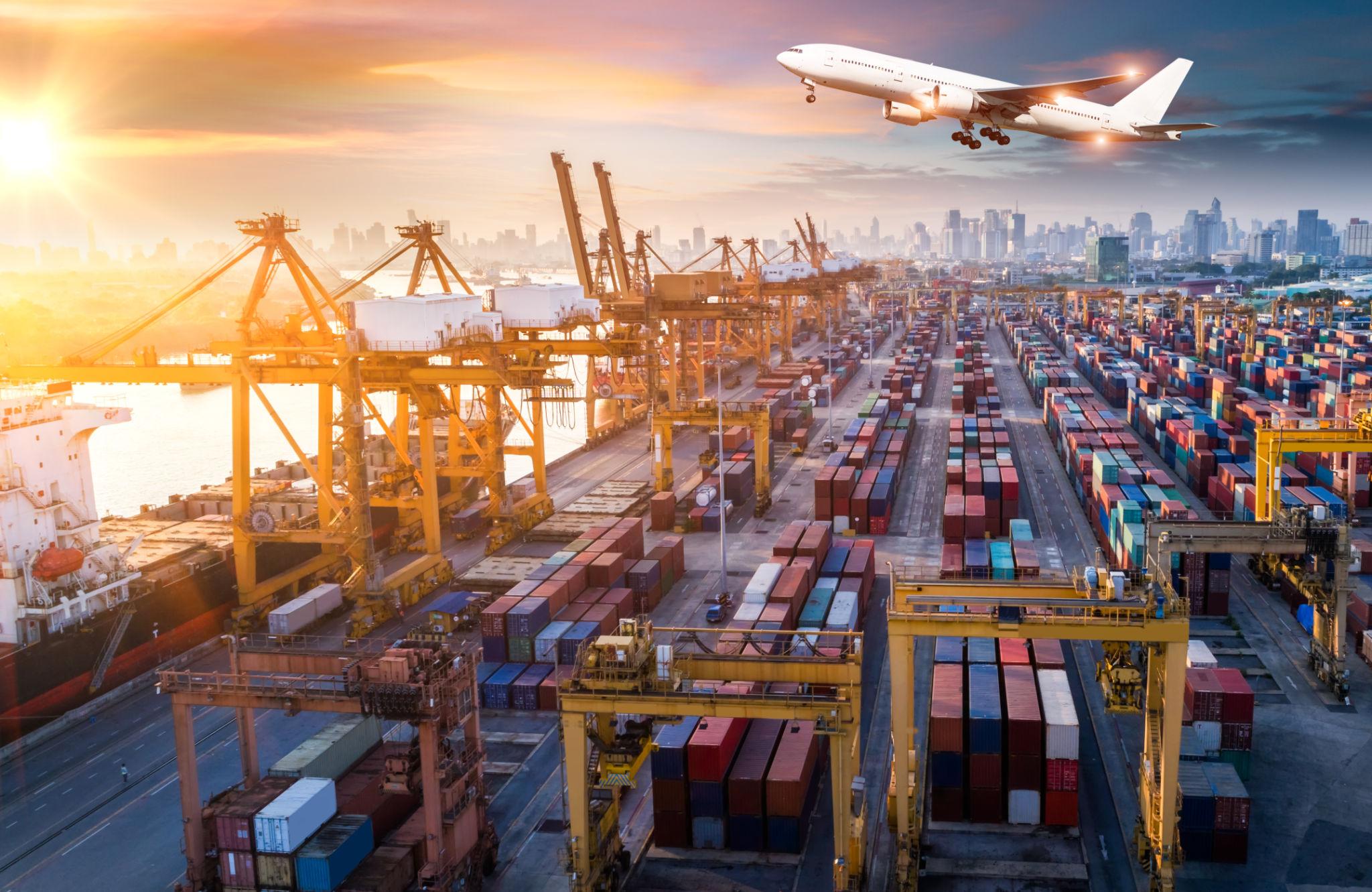
Figure 1: Modern supply chains are evolving from cost-focused networks into resilient ecosystems capable of adapting to global disruptions.
Why Efficiency Alone Is No Longer Enough
Lean operations and Just-in-Time inventory transformed manufacturing and logistics by eliminating unnecessary costs and reducing excess inventory. However, these models assumed stable supplier networks, predictable transportation, and uninterrupted global trade.
Recent disruptions challenged these assumptions. Factory shutdowns, semiconductor shortages, shipping delays, and geopolitical tensions demonstrated that highly optimized supply chains often lacked the flexibility to absorb shocks.
Organizations now recognize that resilience is not the opposite of efficiency—it is a necessary complement to it.
The Pillars of Supply Chain Resilience
Building resilience requires organizations to rethink traditional operating models.
Supplier Diversification: Rather than depending on a single supplier or geography, businesses are establishing multiple sourcing options to reduce concentration risk.
Strategic Inventory: Companies are moving away from minimal safety stock for critical products and maintaining carefully planned inventory buffers where appropriate.
Regional Manufacturing: Nearshoring and regional production hubs reduce dependence on distant manufacturing locations and improve responsiveness.
Digital Visibility: Real-time data, AI-powered control towers, and predictive analytics provide early warning of disruptions and enable faster decision-making.
Scenario Planning: Organizations regularly simulate supply chain disruptions to strengthen contingency plans before real-world crises occur.
Together, these strategies create supply chains that are both agile and dependable.
Technology as the Foundation of Resilience
Modern resilience is powered by digital technologies.
Artificial Intelligence helps predict disruptions before they occur by analyzing supplier performance, transportation data, weather conditions, and market trends.
Internet of Things (IoT) devices provide continuous visibility into shipments, inventory, and warehouse operations.
Digital Twins simulate alternative supply chain scenarios, allowing businesses to evaluate different response strategies without affecting actual operations.
Cloud-based collaboration platforms improve coordination between suppliers, manufacturers, logistics providers, and customers during periods of uncertainty.
Technology enables organizations to move from reactive crisis management to proactive risk mitigation.
The Cost of Resilience—An Investment, Not an Expense
Building resilient supply chains may require additional investments in inventory, supplier diversification, technology, and regional infrastructure. At first glance, these measures can appear less efficient than traditional lean models.
However, the financial impact of prolonged production shutdowns, lost sales, damaged customer relationships, and reputational harm often far exceeds the cost of resilience.
Businesses are increasingly recognizing that resilience protects revenue, safeguards customer trust, and supports long-term profitability.
Preparing for the Next Disruption
The question is no longer whether another disruption will occur—it is when.
Organizations that continuously assess risks, strengthen supplier relationships, invest in digital capabilities, and build operational flexibility will be better prepared to navigate future uncertainty.
Rather than reacting after disruptions unfold, resilient organizations continuously monitor their supply chains and adapt as conditions change.
This proactive mindset is becoming a defining characteristic of high-performing supply chain organizations.
Key Takeaways
| Efficiency-Focused Supply Chain | Resilience-Focused Supply Chain |
|---|---|
| Lowest-cost sourcing | Diversified sourcing strategy |
| Just-in-Time inventory | Strategic inventory buffers |
| Single supplier dependence | Multi-supplier ecosystem |
| Reactive disruption response | Predictive risk management |
| Cost optimization | Business continuity and adaptability |
| Short-term efficiency | Long-term resilience and stability |
Conclusion
The future of Supply Chain Management is no longer defined by efficiency alone. While cost optimization remains important, resilience has emerged as an equally critical measure of success in an increasingly unpredictable world.
Organizations that invest in diversified sourcing, digital visibility, predictive analytics, and flexible operating models will be better equipped to withstand disruptions while continuing to serve customers effectively.
The strongest supply chains of tomorrow will not necessarily be the leanest or the least expensive—they will be the ones that can adapt, recover, and thrive regardless of the challenges they face.



2 Comments
test comment
manage comment