




Introduction
For decades, Microsoft Excel was the backbone of procurement. Buyers relied on spreadsheets to track suppliers, compare quotations, manage inventories, and forecast demand. While Excel offered flexibility and familiarity, it also brought challenges such as data duplication, manual errors, version conflicts, and limited visibility across the supply chain.
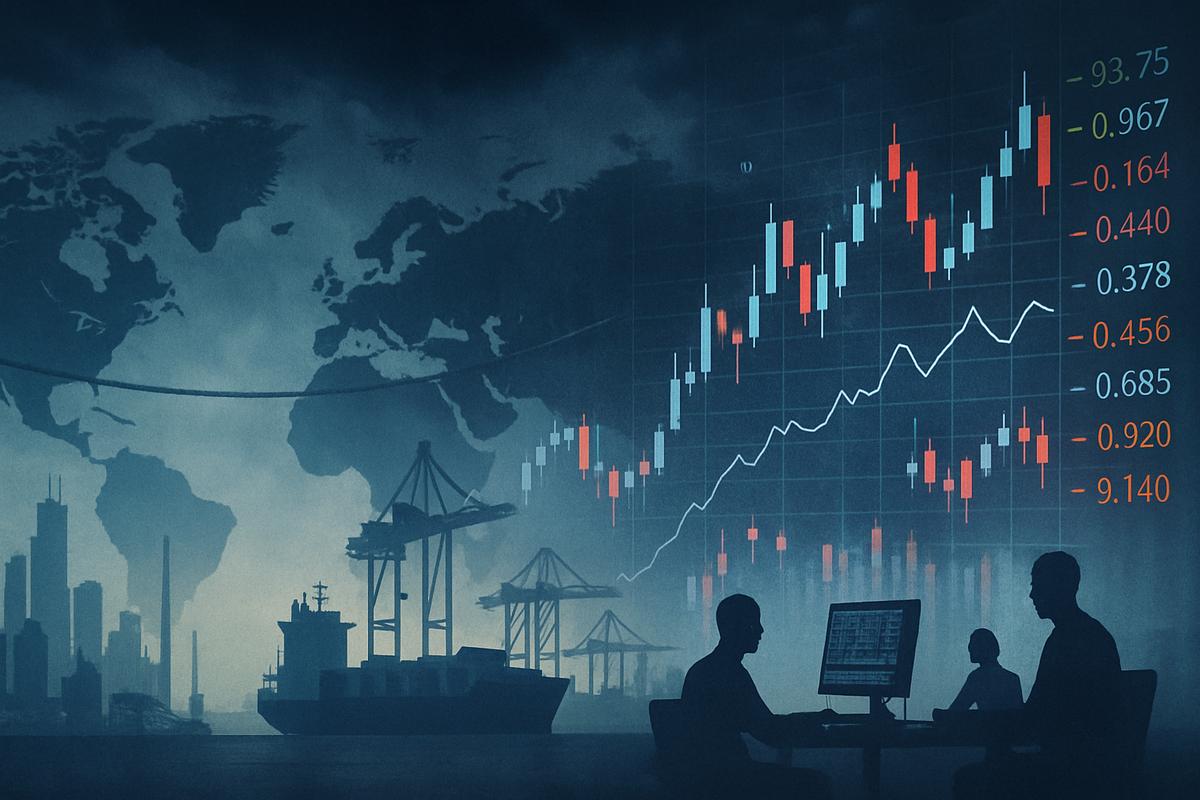
Today, procurement is entering a new era. Powered by Artificial Intelligence, Machine Learning, and predictive analytics, organizations are making data-driven decisions that improve efficiency, reduce costs, and strengthen supplier relationships. Procurement is no longer about simply purchasing goods—it’s about generating business value through intelligent insights.

Figure 1: Modern procurement teams leverage AI dashboards for real-time decision-making.
The Excel Era: A Foundation with Limitations
Excel transformed procurement by making calculations, reporting, and supplier comparisons easier. However, as businesses expanded globally, spreadsheets struggled to keep pace with increasing complexity.
Some common limitations included:
- Manual data entry leading to costly errors
- Lack of real-time collaboration
- Difficulty managing thousands of suppliers
- Limited predictive capabilities
- Time-consuming reporting and reconciliation
While Excel remains valuable for quick analysis, it is no longer sufficient for managing modern procurement ecosystems.

Figure 2: Traditional spreadsheet-driven procurement often results in fragmented and manual processes.
The Rise of Data-Driven Procurement
The introduction of Enterprise Resource Planning (ERP) systems, cloud computing, and business intelligence platforms marked a significant shift. Procurement teams gained access to centralized data, automated workflows, and interactive dashboards.
Today, procurement leaders use data to answer questions such as:
- Which suppliers consistently deliver on time?
- Where are cost-saving opportunities?
- Which contracts are nearing expiration?
- What risks exist within the supplier network?
Instead of reacting to problems, organizations can now anticipate them using real-time analytics.

Figure 3: Analytics dashboards provide procurement leaders with actionable business insights.
How AI is Revolutionizing Procurement
Artificial Intelligence is redefining procurement by automating routine activities while supporting better strategic decisions.
AI-powered procurement solutions can:
- Predict future demand using historical consumption patterns.
- Recommend the best suppliers based on cost, quality, and delivery performance.
- Detect fraudulent transactions and contract anomalies.
- Automate invoice matching and purchase order approvals.
- Monitor supplier risks through real-time market intelligence.
- Generate procurement reports within seconds.
Rather than replacing procurement professionals, AI enables them to focus on negotiation, supplier innovation, sustainability, and long-term value creation.

Figure 4: AI automates repetitive procurement activities while enhancing strategic decision-making.
Real-World Business Impact
Leading organizations have already embraced AI-driven procurement.
- Amazon uses predictive analytics to optimize inventory and supplier planning.
- Unilever applies AI to improve sourcing efficiency and sustainability initiatives.
- Walmart leverages advanced analytics to strengthen demand forecasting and reduce stock shortages.
These organizations demonstrate that procurement has become a competitive advantage rather than merely a cost-control function.
What the Future Looks Like
The next generation of procurement will be increasingly autonomous. Emerging technologies such as Generative AI, digital twins, conversational assistants, and predictive risk intelligence will further transform how procurement teams operate.
Future procurement professionals will spend less time processing transactions and more time interpreting insights, collaborating with suppliers, and driving innovation across the business.
Organizations that continue relying solely on spreadsheets risk falling behind competitors who leverage intelligent automation and data-driven decision-making.

Figure 5: The future of procurement lies in intelligent automation and predictive decision-making.
Key Takeaways
| Traditional Procurement | AI-Driven Procurement |
|---|---|
| Manual spreadsheets | Intelligent automation |
| Historical reporting | Predictive analytics |
| Reactive decisions | Proactive planning |
| Limited visibility | Real-time insights |
| Time-intensive tasks | Faster, smarter workflows |
Conclusion
The journey from Excel to AI represents more than a technological upgrade—it marks a fundamental shift in how procurement creates value. Data has become the most valuable procurement asset, and AI is the engine that transforms this data into actionable intelligence.
Organizations that embrace AI-powered procurement will benefit from improved efficiency, stronger supplier relationships, reduced operational risks, and better strategic decisions. Excel will continue to serve as a useful analytical tool, but the future belongs to intelligent procurement platforms capable of learning, predicting, and adapting in real time.
As businesses navigate increasingly complex global supply chains, procurement leaders must evolve from spreadsheet managers to strategic decision-makers. Those who successfully combine human expertise with artificial intelligence will shape the future of procurement and build more resilient, competitive organizations.