




Introduction
Supply Chain Management (SCM) has evolved significantly over the last decade. Earlier, organizations relied heavily on spreadsheets, historical reports, and individual experience to make procurement, inventory, and logistics decisions. While these approaches worked reasonably well in stable markets, today’s supply chains operate in a world of constant uncertainty.
Demand fluctuations, supplier disruptions, geopolitical tensions, rising transportation costs, and changing customer expectations require businesses to make informed decisions almost instantly. This is where Decision Intelligence is emerging as a competitive advantage. It transforms data into actionable recommendations, helping organizations optimize operations before problems arise rather than reacting after the damage is done.

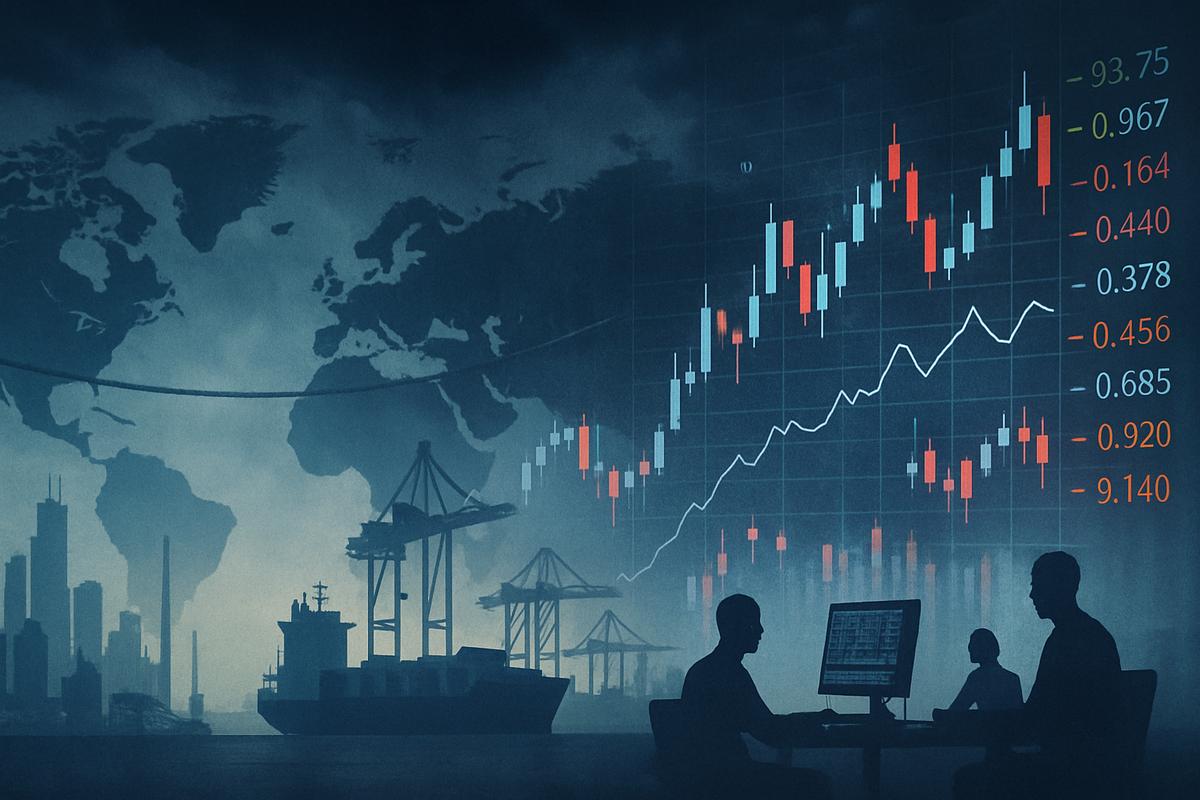
Figure 1: Decision Intelligence combines AI, analytics, and real-time visibility to support faster and more informed supply chain decisions.
Understanding Decision Intelligence
Decision Intelligence is the next evolution of data-driven business management. It integrates data analytics, Artificial Intelligence, Machine Learning, optimization algorithms, and business rules into a unified framework that supports intelligent decision-making.
Unlike traditional Business Intelligence, which primarily answers “What happened?”, Decision Intelligence focuses on:
- What is likely to happen?
- What options are available?
- Which decision delivers the best business outcome?
Instead of presenting dashboards filled with historical metrics, Decision Intelligence recommends the most effective action based on multiple business variables.
Why Modern Supply Chains Need Decision Intelligence
Supply chains today generate data from ERP systems, warehouse management systems, transportation networks, supplier portals, IoT devices, and customer demand signals. While businesses have access to more information than ever before, the real challenge lies in making sense of it quickly.
Decision Intelligence analyzes these diverse data sources simultaneously to recommend optimal actions. For example, if a supplier experiences a production delay, the system can immediately evaluate inventory availability, alternate suppliers, transportation constraints, customer priorities, and financial impact before recommending the best response.
This enables organizations to move from reactive firefighting to proactive planning.
Applications Across the Supply Chain
Decision Intelligence creates value across every stage of the supply chain.
Procurement: Identify the best suppliers by evaluating cost, quality, delivery performance, financial stability, and risk factors.
Inventory Management: Optimize stock levels using demand forecasts, replenishment cycles, and service-level targets.
Logistics: Recommend efficient transportation routes, improve fleet utilization, and minimize delivery delays.
Warehouse Operations: Optimize workforce planning, storage allocation, order picking, and dispatch schedules using real-time operational data.
Executive Planning: Enable leadership teams to evaluate multiple business scenarios and make informed strategic decisions based on projected outcomes rather than historical reports.
Business Benefits
Organizations adopting Decision Intelligence are experiencing measurable improvements across operational and financial performance.
Some of the key benefits include:
- Faster and more accurate decision-making.
- Improved inventory utilization.
- Reduced procurement and logistics costs.
- Enhanced supplier collaboration.
- Better customer service through proactive planning.
- Increased resilience during supply chain disruptions.
Perhaps the greatest advantage is consistency. Instead of relying solely on individual judgment, organizations establish standardized decision frameworks that improve speed, transparency, and accountability.
Challenges to Successful Adoption
While the benefits are substantial, successful implementation requires more than advanced technology.
Organizations must focus on:
- High-quality and integrated data.
- Strong governance and master data management.
- Cross-functional collaboration across procurement, operations, finance, and IT.
- Clear business rules and decision frameworks.
- Upskilling employees to confidently use AI-assisted recommendations.
Decision Intelligence should complement human expertise—not replace it. The most successful organizations combine analytical capabilities with practical business experience.
The Road Ahead
The future of supply chain management will increasingly rely on intelligent decision ecosystems powered by Artificial Intelligence, Digital Twins, Internet of Things (IoT), and Generative AI. These technologies will continuously evaluate millions of data points, simulate business scenarios, and recommend optimal actions in real time.
As supply chains become more interconnected and complex, organizations that embrace Decision Intelligence will be better positioned to anticipate disruptions, improve operational agility, and create sustainable competitive advantages.
Key Takeaways
| Traditional Supply Chain | Decision Intelligence-Driven Supply Chain |
|---|---|
| Historical reporting | Predictive and prescriptive insights |
| Manual planning | AI-assisted recommendations |
| Reactive operations | Proactive decision-making |
| Siloed data | Integrated enterprise intelligence |
| Experience-based decisions | Data-backed strategic decisions |
| Static processes | Continuous optimization |
Conclusion
Decision Intelligence represents the next frontier in Supply Chain Management. As organizations navigate increasingly complex business environments, the ability to make timely, informed, and intelligent decisions will become a defining competitive advantage.
By integrating Artificial Intelligence, predictive analytics, optimization techniques, and human judgment, Decision Intelligence empowers businesses to improve operational efficiency, reduce risk, strengthen resilience, and respond confidently to uncertainty. In the years ahead, the most successful supply chains will not simply be those with the most data—they will be those capable of making the smartest decisions from it.