



Introduction
For decades, supply chain success was measured using familiar business metrics such as cost reduction, inventory turnover, delivery performance, and profitability. While these indicators remain important, today’s business environment demands a broader definition of success.
Governments are introducing stricter environmental regulations, investors are prioritizing ESG performance, and consumers are increasingly choosing brands that demonstrate responsible business practices. As a result, organizations are no longer asking “How much profit did we generate?” They are also asking “How sustainably did we achieve it?”
Sustainability metrics provide businesses with the visibility needed to evaluate environmental impact, optimize resource utilization, reduce emissions, and build supply chains that create value for both shareholders and society.


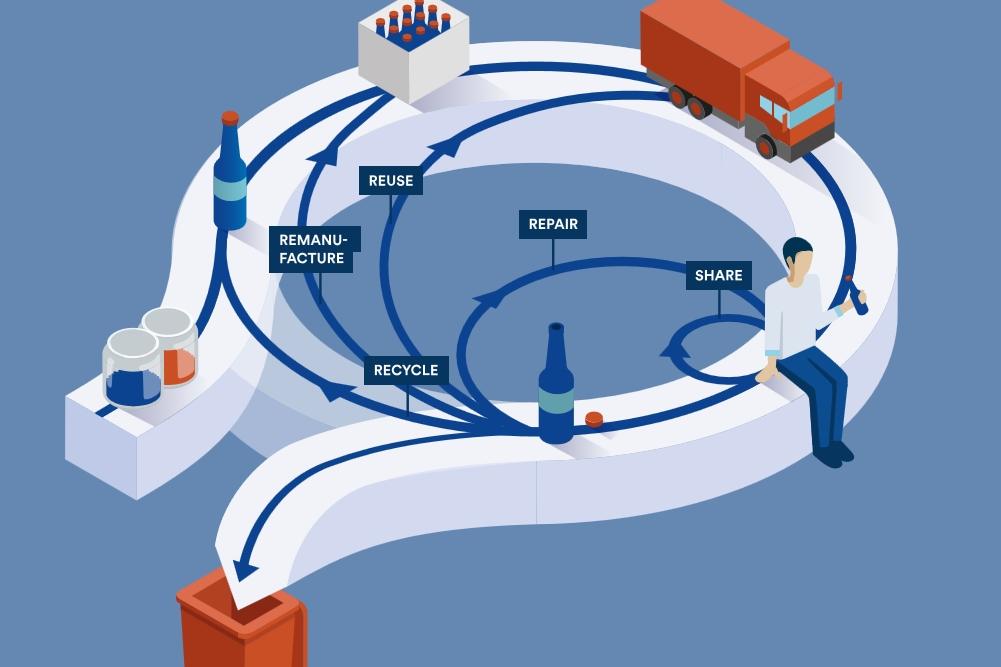
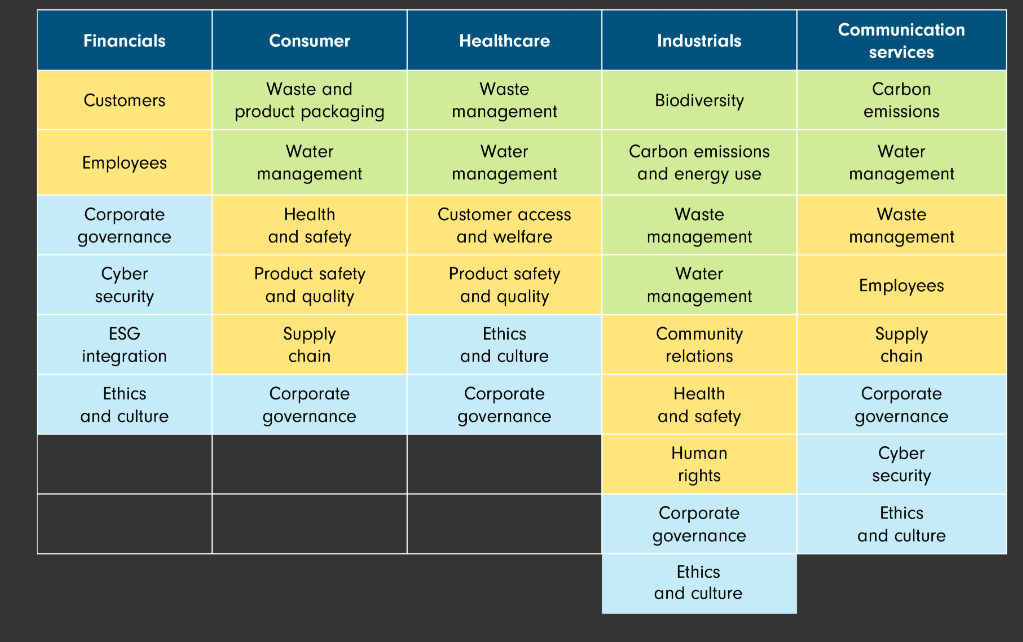
Figure 1: Modern supply chains are increasingly measuring success through both financial performance and sustainability indicators.
Why Sustainability Metrics Matter
Sustainability is no longer limited to annual corporate reports. It has become an operational priority influencing procurement decisions, supplier selection, logistics planning, manufacturing, and customer relationships.
Without measurable indicators, sustainability initiatives often remain aspirational. Metrics enable organizations to monitor progress, identify improvement opportunities, and demonstrate accountability to customers, regulators, investors, and employees.
More importantly, sustainability metrics help organizations make informed decisions that improve both operational efficiency and long-term resilience.
The Metrics That Drive Meaningful Change
Leading organizations are moving beyond broad sustainability commitments and focusing on measurable performance indicators.
Carbon Emissions: Monitoring greenhouse gas emissions across transportation, warehousing, manufacturing, and supplier operations helps organizations identify opportunities to reduce their carbon footprint.
Energy Efficiency: Measuring electricity, fuel, and renewable energy consumption enables businesses to optimize operations while lowering operational costs.
Waste Reduction: Tracking packaging waste, production scrap, and recycling rates supports circular economy initiatives and minimizes environmental impact.
Water Utilization: Water consumption has become a critical sustainability indicator, particularly in industries such as food processing, agriculture, textiles, and manufacturing.
Sustainable Procurement: Organizations increasingly monitor supplier compliance with environmental standards, ethical labour practices, and responsible sourcing policies.
Logistics Efficiency: Metrics such as vehicle utilization, empty return trips, and transportation emissions help improve both sustainability and operational performance.
Together, these indicators provide a comprehensive view of an organization’s environmental performance.
Balancing Profitability and Sustainability
A common misconception is that sustainability increases costs. In reality, many sustainability initiatives also improve financial performance.
For example:
- Optimized transportation routes reduce both fuel consumption and logistics costs.
- Energy-efficient warehouses lower electricity expenses.
- Better inventory planning minimizes waste and obsolete stock.
- Sustainable packaging reduces material costs and transportation weight.
- Responsible supplier partnerships improve operational stability and reduce compliance risks.
Organizations increasingly recognize that sustainability and profitability are complementary rather than competing objectives.
Technology as the Enabler
Digital technologies are making sustainability measurement more accurate and actionable.
Artificial Intelligence helps optimize transportation routes and inventory levels.
Internet of Things (IoT) sensors monitor energy usage, equipment performance, and environmental conditions in real time.
Cloud-based analytics platforms consolidate sustainability data across global operations, enabling executives to monitor ESG performance through centralized dashboards.
Blockchain technology enhances transparency by verifying supplier compliance and ethical sourcing throughout the supply chain.
These technologies transform sustainability from a reporting exercise into a strategic decision-making capability.
Building a Sustainable Supply Chain Culture
Technology alone cannot achieve sustainability goals. Long-term success requires embedding sustainability into organizational culture.
Businesses must encourage collaboration across procurement, operations, logistics, finance, and suppliers while establishing clear sustainability objectives and accountability.
Leadership commitment, employee awareness, supplier engagement, and continuous performance measurement are equally important in driving meaningful change.
Organizations that integrate sustainability into everyday decision-making are better positioned to create lasting competitive advantage.
Key Takeaways
| Traditional Performance Metrics | Sustainable Supply Chain Metrics |
|---|---|
| Revenue Growth | Carbon Emissions |
| Cost Reduction | Energy Efficiency |
| Inventory Turnover | Waste Reduction |
| Delivery Performance | Sustainable Procurement |
| Asset Utilization | Water Consumption |
| Profit Margins | ESG & Supplier Compliance |
Conclusion
The future of supply chain management will be defined not only by operational efficiency but also by environmental responsibility. Organizations are increasingly recognizing that sustainable practices create long-term business value by reducing costs, strengthening resilience, enhancing brand reputation, and meeting evolving stakeholder expectations.
Measuring the right sustainability metrics enables businesses to make informed decisions that balance commercial success with environmental stewardship. As ESG considerations become integral to corporate strategy, the organizations that thrive will be those capable of delivering strong financial performance while contributing positively to society and the planet.
In the years ahead, the most successful supply chains will not simply be the fastest or the least expensive—they will be the ones that create sustainable value for businesses, customers, communities, and future generations.