


Introduction
Global supply chains have become increasingly complex, involving multiple suppliers, manufacturers, logistics providers, distributors, and retailers across different countries. While this interconnected ecosystem has improved efficiency and reduced costs, it has also made it more difficult to verify product authenticity, monitor supplier practices, and ensure ethical compliance.
Traditional record-keeping systems often rely on fragmented databases, paper documentation, and manual verification processes. These limitations create opportunities for fraud, counterfeit products, inaccurate reporting, and unethical sourcing practices.
Blockchain technology offers a new approach. By creating a shared, immutable digital ledger that records every transaction securely and transparently, organizations can improve visibility across the entire supply chain while strengthening accountability among all stakeholders.


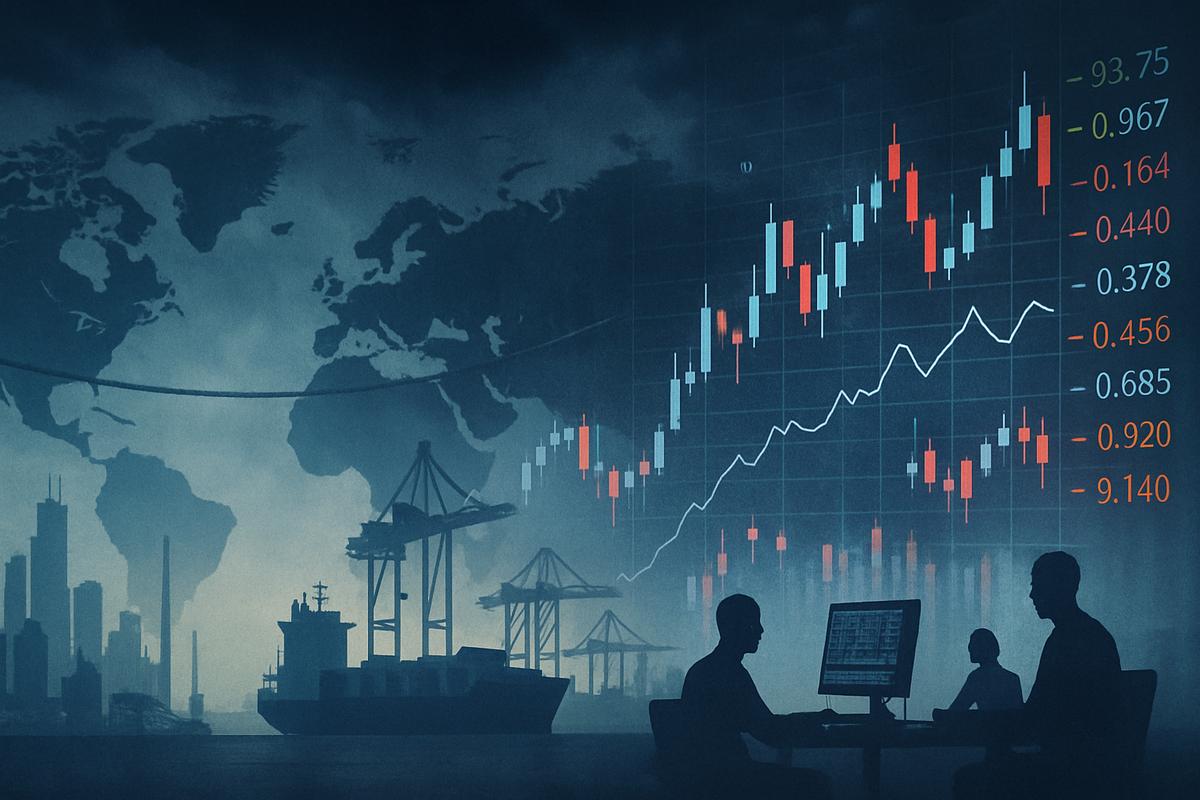
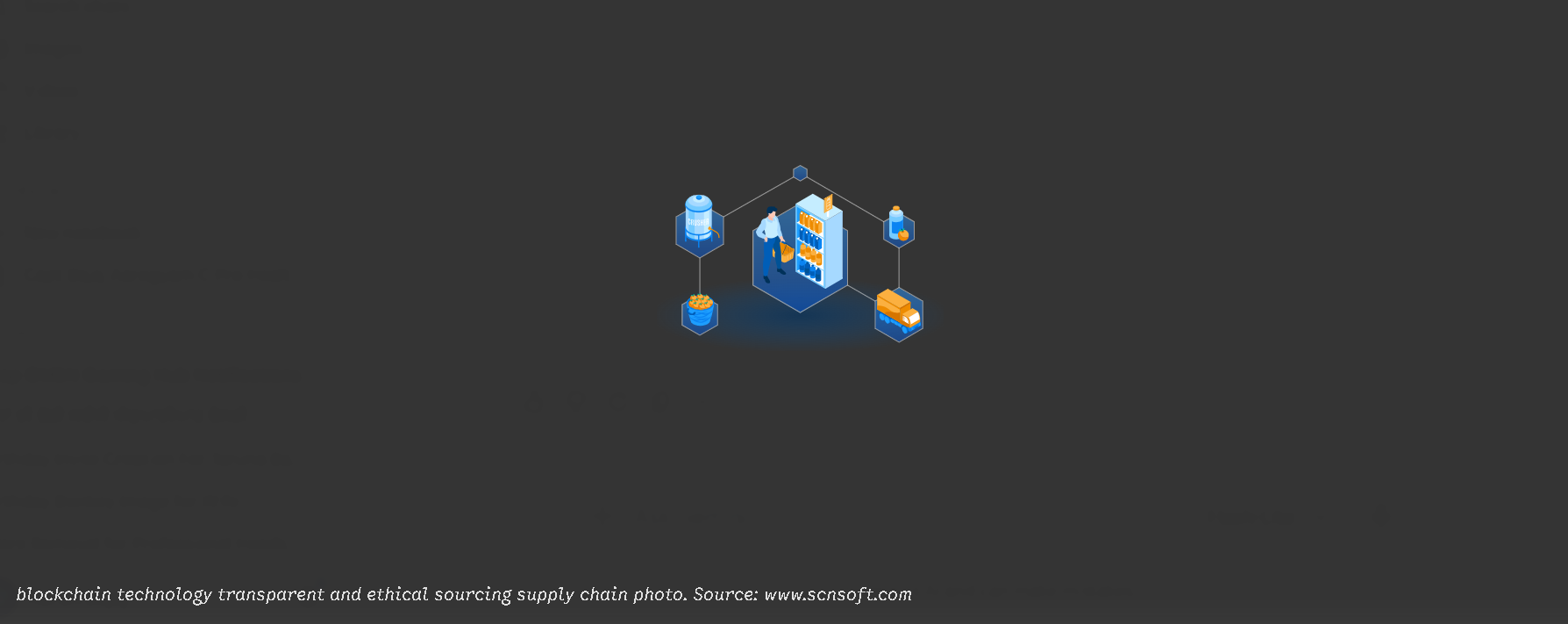
Figure 1: Blockchain creates a secure and transparent digital record of every transaction, improving traceability and ethical sourcing across the supply chain.
Understanding Blockchain in Supply Chains
Blockchain is a decentralized digital ledger that records transactions across multiple participants in a secure and tamper-resistant manner. Every transaction is validated, time-stamped, and permanently stored, making it extremely difficult to alter or manipulate historical records.
In supply chain management, blockchain enables every participant—from raw material suppliers to manufacturers, transporters, warehouses, and retailers—to record and verify information on a common platform.
This shared visibility reduces disputes, improves collaboration, and ensures that critical supply chain information remains accurate and trustworthy.
Why Transparency Matters More Than Ever
Today’s consumers want to know where products come from, how they are manufactured, and whether ethical labour and environmental standards have been followed. Governments are introducing stricter regulations around product traceability, sustainability reporting, and responsible sourcing.
Blockchain helps organizations answer these questions with confidence by providing verifiable records of:
- Product origin and movement.
- Supplier certifications and compliance.
- Manufacturing processes.
- Transportation history.
- Quality inspections.
- Environmental and sustainability data.
Instead of relying solely on documentation, businesses can provide stakeholders with authenticated digital records that enhance trust and credibility.
Applications Across the Supply Chain
Blockchain is creating value throughout modern supply chains.
Supplier Verification: Validate supplier certifications, regulatory compliance, and ethical sourcing practices before onboarding.
Product Traceability: Track products from source to customer, enabling faster recalls and reducing counterfeit risks.
Procurement Transparency: Create auditable procurement records that improve governance and reduce fraud.
Logistics Visibility: Record shipment milestones, delivery confirmations, and transportation conditions in real time.
Sustainability Reporting: Capture verified environmental and social compliance data to support ESG reporting and responsible sourcing initiatives.
These applications help organizations improve operational integrity while strengthening stakeholder confidence.
Business Benefits Beyond Compliance
Blockchain delivers value far beyond regulatory compliance.
Organizations adopting blockchain-enabled supply chains can benefit from:
- Greater supply chain transparency.
- Improved product authenticity and traceability.
- Reduced fraud and counterfeit products.
- Faster dispute resolution through shared records.
- Stronger supplier accountability.
- Enhanced customer trust and brand reputation.
- More reliable sustainability and ESG reporting.
Perhaps the greatest advantage is confidence. Decision-makers can rely on verified data instead of fragmented documentation, improving both operational efficiency and governance.
Challenges to Adoption
Despite its significant potential, blockchain implementation requires careful planning.
Organizations often face challenges such as:
- Integration with existing ERP and supply chain systems.
- Standardization of data across multiple partners.
- Initial implementation costs.
- Supplier participation and technology readiness.
- Data privacy and governance considerations.
Successful implementation depends on collaboration across the entire supply chain rather than isolated technology investments.
The Future of Ethical Supply Chains
Blockchain will increasingly work alongside Artificial Intelligence, Internet of Things (IoT), cloud computing, and predictive analytics to create highly connected and intelligent supply chains.
IoT devices will automatically capture shipment conditions, AI will analyze risks and recommend corrective actions, while blockchain will securely record every event to create a permanent and trustworthy digital history.
As sustainability and responsible sourcing become central to corporate strategy, blockchain will play an increasingly important role in helping organizations demonstrate compliance, improve accountability, and strengthen stakeholder trust.
Key Takeaways
| Traditional Supply Chains | Blockchain-Enabled Supply Chains |
|---|---|
| Fragmented records | Shared digital ledger |
| Manual verification | Automated transaction validation |
| Limited product traceability | End-to-end visibility |
| Paper-based documentation | Secure digital records |
| Higher fraud risk | Tamper-resistant transactions |
| Reactive compliance | Continuous transparency and accountability |
Conclusion
Blockchain is redefining how organizations build trust within their supply chains. By creating secure, transparent, and immutable records of every transaction, it enables businesses to improve traceability, strengthen ethical sourcing, reduce fraud, and enhance collaboration across global supplier networks.
As customer expectations, regulatory requirements, and ESG commitments continue to grow, blockchain will become an essential pillar of modern Supply Chain Management. Organizations that invest in transparent and digitally connected supply chains today will not only improve operational efficiency but also earn the confidence of customers, partners, and investors in an increasingly accountability-driven world.