



Introduction
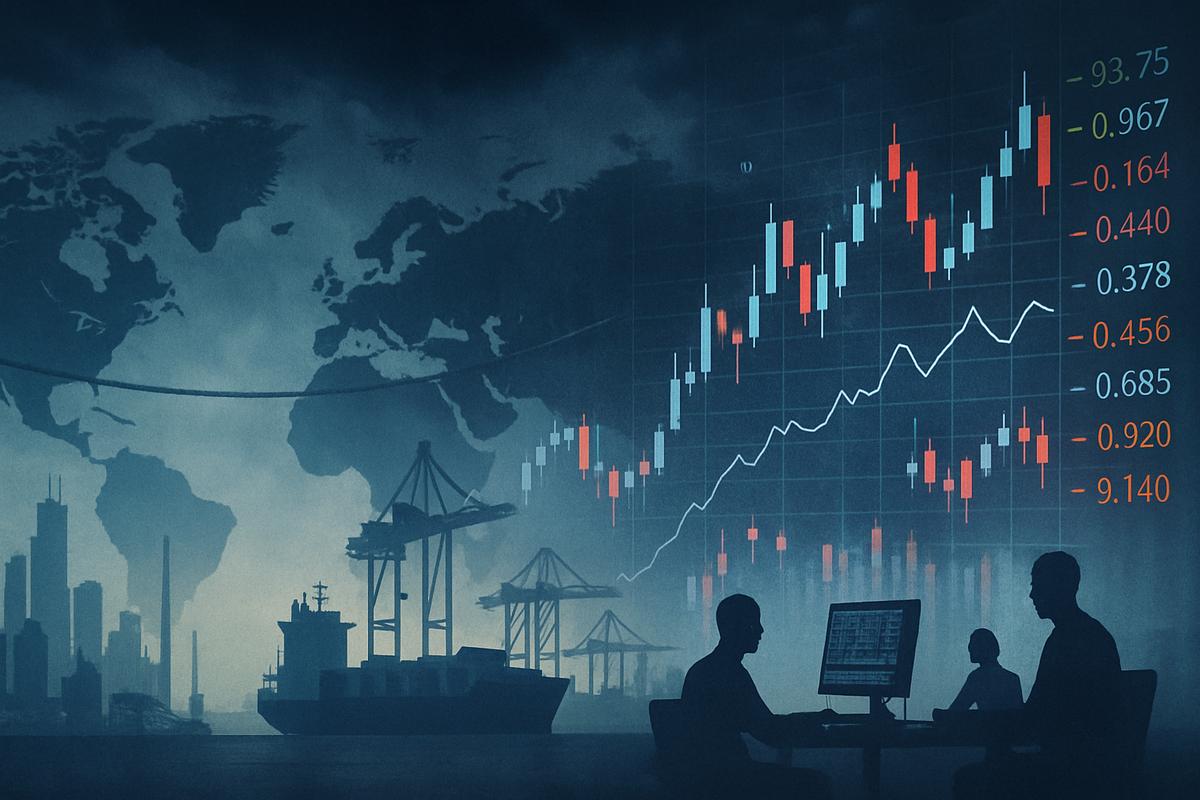
The global supply chain has undergone a remarkable transformation over the last decade. Events such as the COVID-19 pandemic, geopolitical conflicts, inflation, and climate-related disruptions have exposed the limitations of traditional planning methods. Organizations that relied solely on historical reports or manual forecasting found themselves reacting to problems rather than preventing them.
Predictive analytics is changing this narrative. Instead of asking, “What happened?”, supply chain leaders are now asking, “What is likely to happen next, and how can we prepare?” This shift enables businesses to make informed decisions before disruptions occur, reducing costs while improving service levels and customer satisfaction.

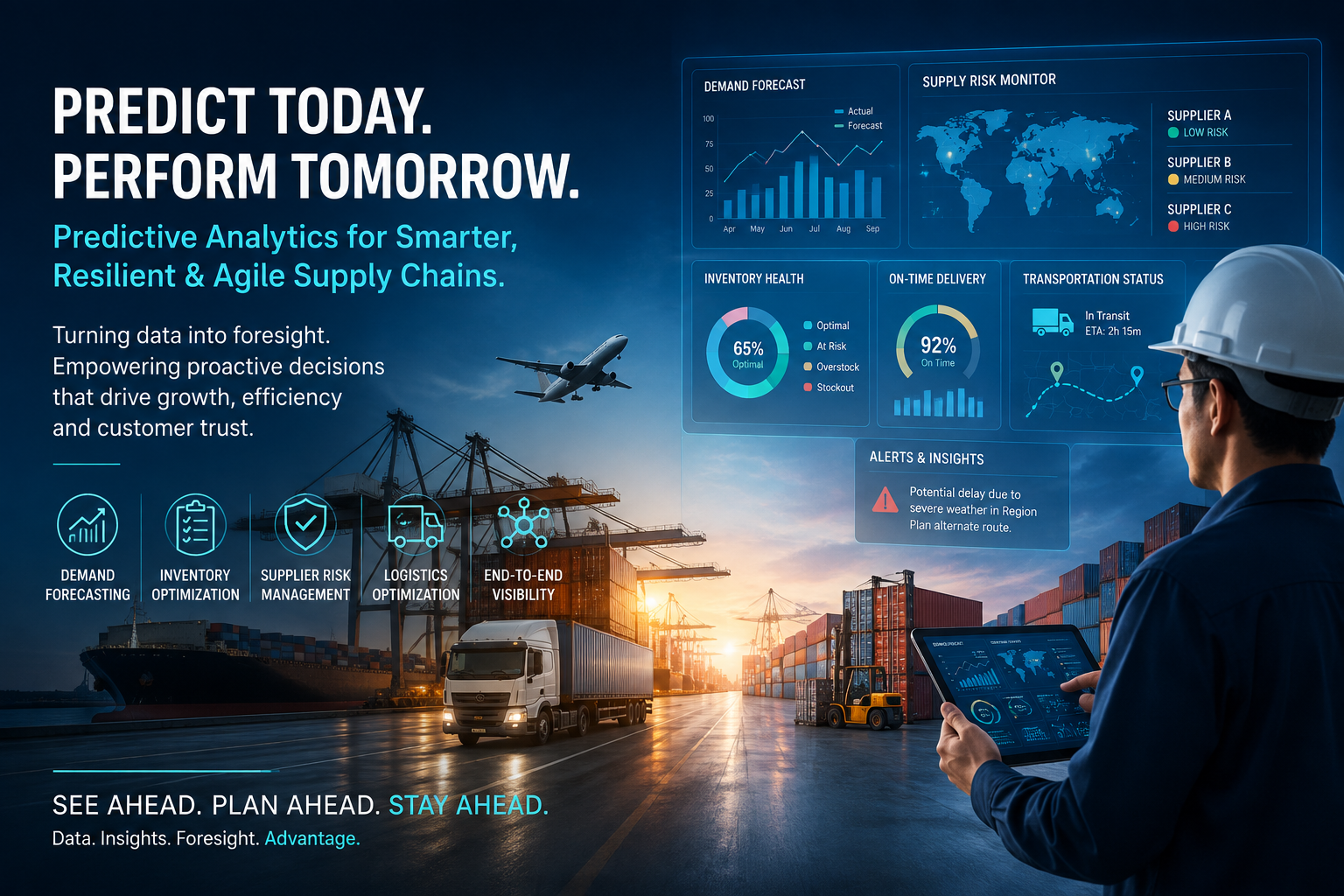
Figure 1: Predictive analytics empowers supply chain teams with real-time visibility and forward-looking insights.
What Is Predictive Analytics?
Predictive analytics uses statistical models, machine learning, and historical data to identify patterns and forecast future outcomes. Rather than relying on intuition or static spreadsheets, organizations analyze data from procurement, warehousing, transportation, supplier performance, weather conditions, and market trends to support better decision-making.
For supply chain professionals, predictive analytics answers critical questions such as:
- Which products are likely to experience higher demand next month?
- Which suppliers pose the highest risk of delays?
- Where should inventory be positioned to avoid stockouts?
- How will transportation disruptions affect customer deliveries?
The objective is simple: anticipate rather than react.
From Reactive Operations to Proactive Planning
Traditional supply chains often operate in a reactive mode. Inventory shortages trigger emergency purchases, supplier delays lead to expedited shipments, and unforeseen disruptions result in higher operational costs.
Predictive analytics changes this approach by identifying potential issues before they materialize. Procurement teams can forecast raw material requirements, logistics managers can optimize transportation routes, and warehouse operations can align resources with expected demand.
The result is a supply chain that is agile, resilient, and prepared for uncertainty rather than constantly responding to it.
Key Applications Across the Supply Chain
Predictive analytics delivers value across every stage of the supply chain:
Demand Forecasting: Advanced models improve forecast accuracy by incorporating seasonal trends, customer buying patterns, promotions, and external market factors.
Inventory Optimization: Businesses maintain optimal inventory levels by balancing customer demand with carrying costs, reducing both stockouts and excess inventory.
Supplier Risk Management: Continuous monitoring of supplier performance helps identify potential disruptions related to financial health, delivery reliability, quality issues, or geopolitical events.
Transportation Planning: Logistics teams can anticipate route congestion, weather disruptions, and carrier performance to improve delivery reliability and reduce transportation costs.
Warehouse Operations: Labour allocation, storage planning, and order fulfilment can be optimized based on expected inbound and outbound volumes.
Together, these capabilities transform supply chains from reactive execution engines into intelligent planning networks.
Business Benefits That Extend Beyond Cost Savings
While cost reduction remains an important objective, the true value of predictive analytics extends much further.
Organizations adopting predictive decision-making typically experience:
- Improved forecast accuracy and planning confidence.
- Reduced inventory holding costs without compromising availability.
- Higher supplier reliability through proactive risk monitoring.
- Better customer service with improved order fulfilment rates.
- Faster and more informed decision-making across business functions.
- Greater resilience during market volatility and unexpected disruptions.
Perhaps the greatest benefit is organizational agility. Businesses equipped with predictive insights can respond to market changes far more effectively than those relying solely on historical reporting.
Challenges to Successful Implementation
Technology alone does not guarantee success. Effective predictive analytics depends on the quality and accessibility of data.
Common challenges include:
- Fragmented data across multiple systems.
- Poor data quality and inconsistent master data.
- Limited analytical capabilities within supply chain teams.
- Resistance to adopting data-driven decision-making.
- Difficulty integrating legacy ERP systems with advanced analytics platforms.
Organizations that invest in strong data governance, digital infrastructure, and employee capability development are significantly better positioned to realize long-term value.
The Road Ahead
The future of supply chain management will increasingly combine predictive analytics with Artificial Intelligence, Generative AI, Internet of Things (IoT), and digital twins. These technologies will enable organizations to simulate scenarios, automate routine decisions, and continuously optimize operations in real time.
Rather than replacing human expertise, predictive analytics will enhance strategic decision-making by allowing professionals to focus on interpreting insights, managing exceptions, and building stronger supplier and customer relationships.
The most successful supply chains of the future will not necessarily be the largest—they will be the ones capable of predicting, adapting, and acting faster than their competitors.
Key Takeaways
| Traditional Supply Chain | Predictive Supply Chain |
|---|---|
| Historical reporting | Forward-looking insights |
| Manual forecasting | AI-driven demand prediction |
| Reactive decision-making | Proactive planning |
| Fixed inventory policies | Dynamic inventory optimization |
| Limited visibility | Real-time operational intelligence |
| Disruption response | Disruption prevention |
Conclusion
Predictive analytics has evolved from a competitive advantage into a strategic necessity. In today’s dynamic business environment, organizations can no longer afford to make supply chain decisions based solely on historical data or intuition. The ability to anticipate demand, identify risks, optimize inventory, and improve operational responsiveness has become essential for sustaining growth and maintaining customer trust.
As digital technologies continue to reshape global supply chains, predictive analytics will remain at the heart of intelligent decision-making. Organizations that embrace this transformation today will be better equipped to navigate uncertainty, improve operational performance, and create resilient supply chains capable of meeting the challenges of tomorrow.